

Safety Incentive Programs Designed for the
Construction Industry
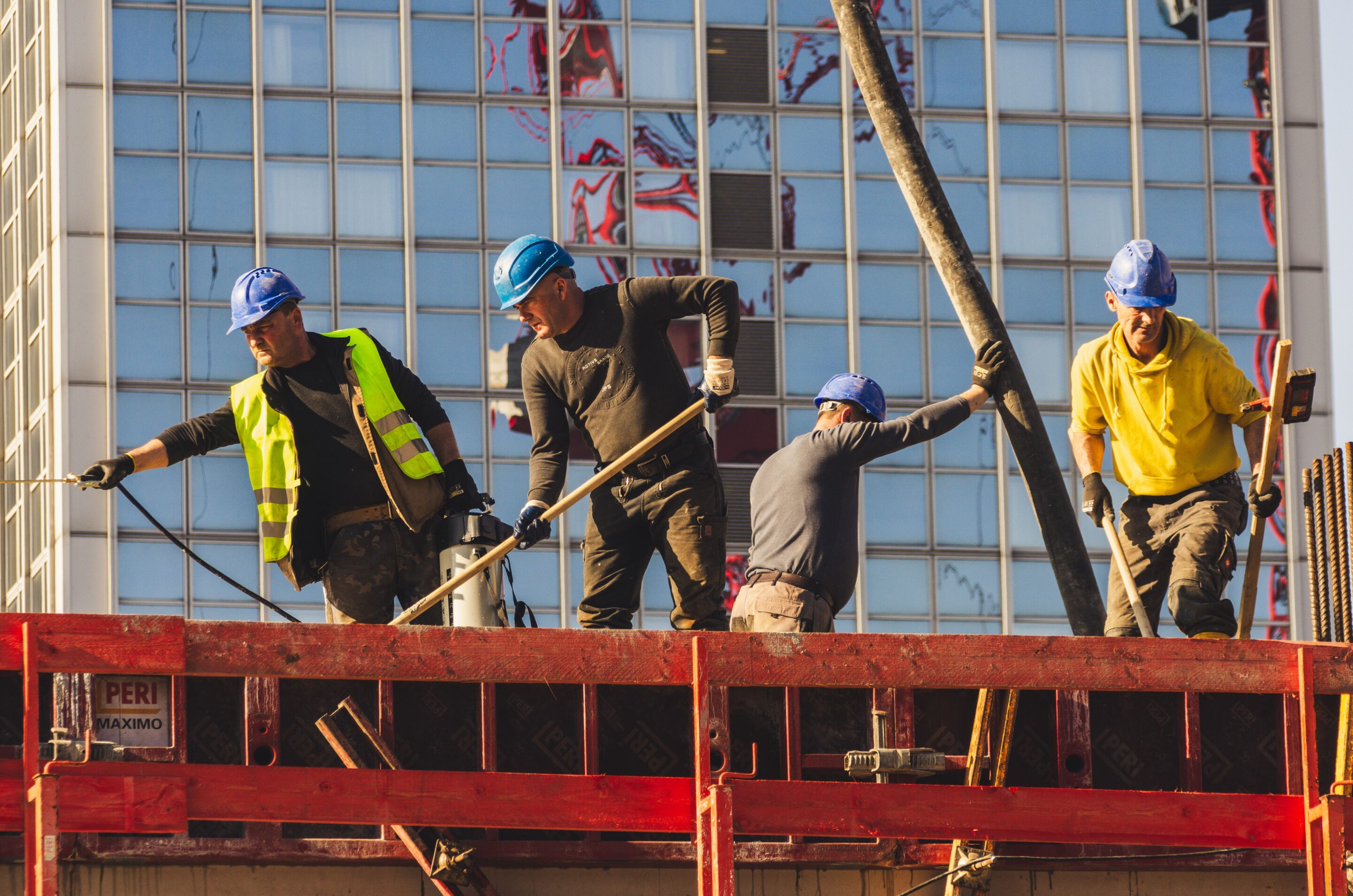
Construction crews face many hazards. Falls, equipment accidents, and jobsite injuries can halt projects, spike insurance costs, and devastate families. Safety incentive, recognition, and reward programs help commercial construction companies reinforce the behaviors that prevent incidents, reduce turnover, and strengthen safety culture across job sites.

$48,000
Average cost per medically consulted workplace injury
(National Safety Council)
$10.44B
Annual cost of workers' compensation claims in U.S. construction
(Liberty Mutual WSI)
Safety Incentive Programs Built for Job Sites and Crews
In the construction industry, crews rotate across multiple active sites. Foremen manage teams in high-risk conditions with limited direct oversight. Shift schedules vary. Subcontractors come and go. With over 50 years of proven experience, we've learned that safety programs must account for these realities—mobile access for crews without desk time, immediate recognition capabilities when safe behaviors happen, and consistent standards across all job sites regardless of which foreman is running the crew.
Effective contractor safety incentive programs address field conditions: physical demands, weather exposure, equipment hazards, and the need to recognize safe actions in real time. They're built around how construction actually operates, not adapted from corporate recognition models.
Why Safety Recognition Matters
in Construction
Construction consistently ranks among the most dangerous industries. According to the Bureau of Labor Statistics, one in five worker deaths occurs in construction. Injuries carry direct costs—workers' compensation claims, medical expenses, regulatory fines—and indirect costs including project delays, crew morale damage, and EMR increases that affect future bidding. Recognition reinforces the safety behaviors that prevent these outcomes: proper PPE use, hazard reporting, equipment inspections, and stop-work authority when conditions become unsafe.
When crews see their safety efforts acknowledged consistently, they stay more engaged and perform safer work. This matters in an industry already facing skilled labor shortages, where experienced workers are difficult to replace.

Construction Safety Challenges
Recognition Programs Help Address
Inconsistent Safety Practices Across Job Sites
Recognition programs help reinforce consistent expectations regardless of location, supervisor, or project type.

Workforce Retention and Labor Shortages
Recognition helps employees feel valued, improving engagement and supporting retention efforts in a competitive labor market.
Hazard Reporting and Near-Miss Visibility
Recognition programs help reinforce consistent expectations regardless of location, supervisor, or project type.
Safety Culture and Accountability
Programs encourage employees at every level to take ownership of safety rather than viewing it solely as management's responsibility.

Maintaining Engagement Across Distributed Crews
Recognition provides visibility across crews, projects, and shifts, helping organizations create a unified safety culture.
How Safety Incentive Programs Support
Construction Crews
Sales incentives give sales teams the structure, recognition, and motivation they need to perform at their peak. Programs boost morale, spark innovation, and build a culture of accountability, which helps individuals and teams consistently exceed targets.

Proactive Safety Behavior Recognition
Leading indicators prevent injuries before they occur. Programs support recognition for consistent PPE compliance, pre-shift equipment checks, near-miss reporting, hazard identification, toolbox talk participation, and mentoring new workers on safety protocols. Points, badges, or spot awards make these behaviors tangible. Foremen can nominate crew members from the field using mobile access, though program success ultimately depends on consistent leadership commitment and fair application across all crews.

Safety Milestone and Outcome Rewards
Programs also tie recognition to measurable achievements: zero-incident streaks, improved audit scores, reduced recordables, and 100% safety training completion. Clear criteria prevent favoritism. Well-designed programs encourage injury reporting by rewarding proactive behaviors separately from incident outcomes—crews earn recognition for identifying hazards, not for hiding injuries. This alignment with OSHA guidance on incentive programs helps companies avoid compliance issues while building an authentic safety culture.
Cost-Effective Safety Incentives for Construction Teams
Low-Cost Safety Recognition That Works on Job Sites
Effective recognition doesn't require large budgets. Simple, visible methods work well in field environments:

Jobsite safety shoutouts during morning toolbox talks
Safety suggestion and hazard identification
"Safest Crew of the Week" recognition posted at the job site
“Above and Beyond” recognition spot awards are delivered in the field when safe behaviors happen in real time
Taking a safety pledge
Tiered Safety Incentives Across Different Milestones
Programs scale from daily behavior recognition to long-term safety achievements:
Daily and weekly
PPE compliance, hazard identification, toolbox talk participation, near-miss reporting
Monthly
Improved audit scores, training completion, zero-incident periods
Quarterly and Annual
Significant recordable reductions, sustained safety performance, multi-project milestones, long-term service, and safety tenure
Measurable Safety Outcomes on Job Sites
Track leading and lagging indicators together:
Leading Indicators
Near-miss reporting rates, hazard identification submissions, PPE compliance observations, toolbox talk participation, safety training completion
Lagging Indicators
TRIR and recordable incident trends, EMR changes, workers' compensation claim frequency and severity
Tiered structures keep crews engaged across the full project lifecycle rather than front-loading recognition at program launch and losing momentum over time.
Keeping Safety Recognition Authentic and Effective
Meaningful Safety Recognition Across Crews and Foremen
Recognition is only effective when it's consistent. A foreman who acknowledges safe behaviors while another ignores them creates the perception that recognition depends on who you work for, not what you do. Programs should establish clear criteria, give foremen simple field tools for in-the-moment acknowledgment, and give safety leadership visibility into recognition activity across all supervisors and sites.
Peer-to-Peer Safety Nominations on Distributed Job Sites
Foremen can't see everything. Peer nominations extend safety visibility beyond direct supervision. When crew members can nominate each other for covering a hazard, reinforcing PPE use, or reporting a near-miss, accountability is distributed across the workforce rather than placed solely on management.
SAFETY INCENTIVES
Reducing Incidents. Building a stronger culture.
Milton CAT had a strong commitment to workplace safety — but lacked the structure, visibility, and consistency needed to drive measurable engagement across all locations.
40%
REDUCTION in Recordable Injury Frequency Rate
85%
Monthly Employee Engagement
700+
Monthly Active Participants

TESTIMONIALS
Proven Impact. Measurable Results.
At All Star Incentives, we deliver incentive, recognition, and reward programs that drive measurable results — increasing engagement, improving performance, and creating lasting impact for organizations nationwide.
Why Construction Companies Partner With
All Star Incentives
All Star Incentives designs safety recognition programs built for distributed crews, mobile workforces, and multiple simultaneous job sites. For nearly 50 years, we've worked with contractors across commercial, industrial, and infrastructure projects from program design and reward strategy to platform configuration and ongoing optimization.
Our platforms are built for field operations:
Mobile-accessible nominations from the field
Reporting dashboards with visibility across all job sites
Approval workflows for foremen and safety managers
Points tracking across multiple projects
From strategy and technology to rewards and fulfillment, All Star Incentives delivers everything needed to launch and sustain successful engagement programs.

Technology
Award-winning engagement platform

Strategy
Experienced incentive professionals

Communications
Custom campaigns and participant engagement

Rewards
Extensive reward sourcing capabilities

Fulfillment
Warehousing, kitting, and distribution

Support
Dedicated account management

Industry
Experience

One Partner. Every Piece.
Ready to Build a Safer Job Site?
Construction companies that implement safety incentive programs achieve fewer incidents, a stronger safety culture, better retention, and lower costs. Schedule a demo to see how All Star Incentives designs programs for construction operations.
FAQs About Construction Safety Incentive Programs
How Do I Handle Safety Incentives for Union Workers?
Review your collective bargaining agreement and consult legal counsel before implementing any recognition program. Many union contracts permit safety recognition when structured as awards for positive behaviors rather than productivity metrics, but requirements vary by trade and local agreements.
Will Safety Incentives Discourage Injury Reporting?
Not when designed correctly. Programs that reward leading indicators—hazard reporting, near-miss submissions, safety training—encourage transparency. Learn more about how safety recognition programs improve workplace safety without suppressing incident reports.
Can Safety Recognition Programs Reduce Insurance Premiums?
Improved safety performance, including lower TRIR and reduced claims frequency, can positively impact EMR and workers' compensation premiums over time. Document program results and share safety improvements with your insurance carrier during renewal discussions. Premium impact varies by carrier, state, and your specific loss history.
Is It Better to Reward Individuals or the Entire Crew for Safety?
Both approaches have merit. Individual recognition reinforces personal accountability. Crew-level recognition builds team safety culture. The most effective programs balance both. Read why recognition of workers must be genuine to drive real culture change.
How Often Should We Reevaluate Our Safety Incentives?
Review program effectiveness quarterly. Track participation rates, safety metric trends, and crew feedback. Annual comprehensive reviews keep incentives aligned with evolving safety priorities and regulatory requirements.
Want to learn more?
Get a Free Demo
Put proven results-based reward and recognition strategies to work for you!
