

Safety Incentive Programs That Fuel Results in the
Oil and Gas Industry
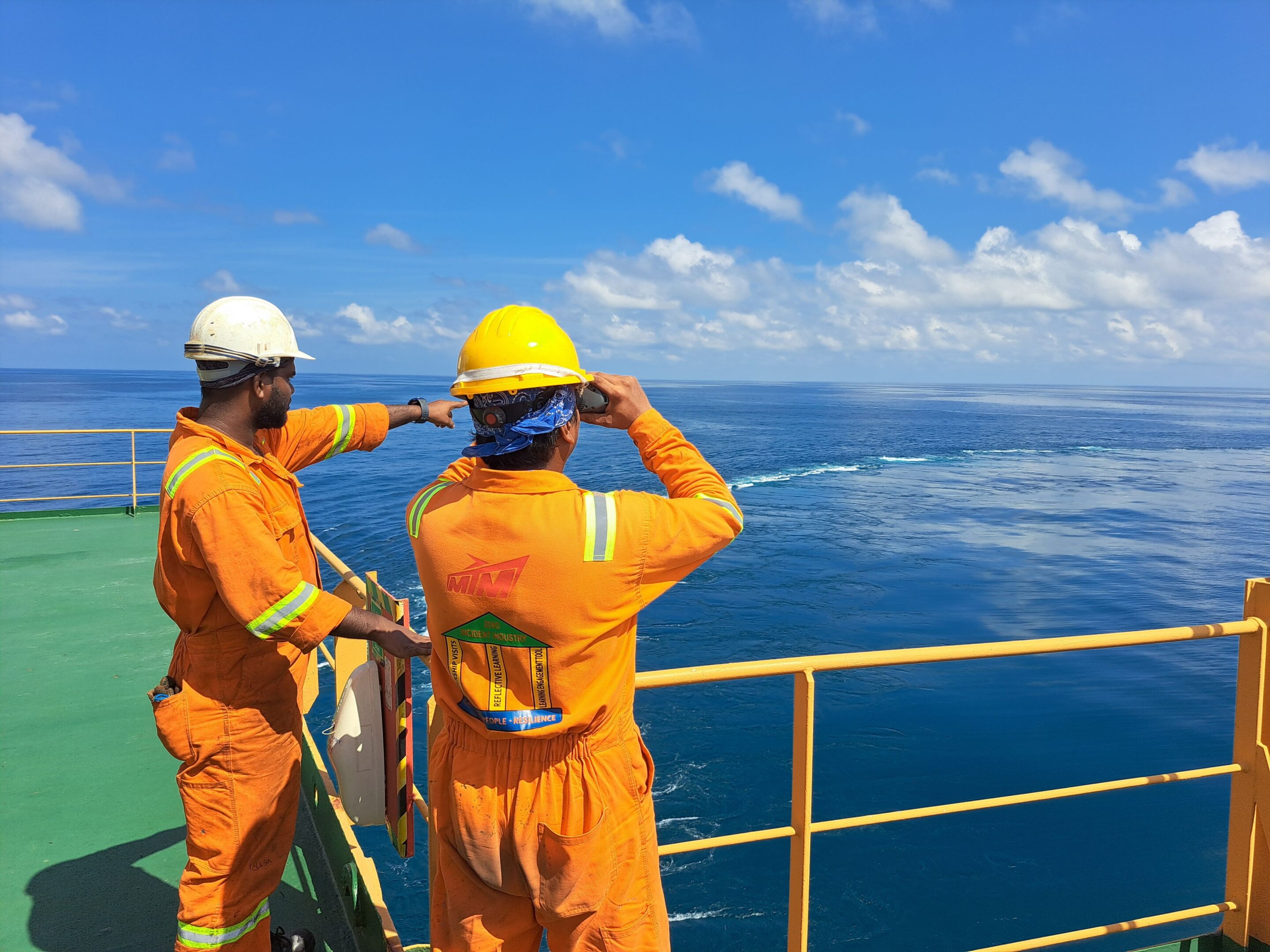
Oil and gas operations present high-consequence safety challenges, including H2S exposure at wellheads, confined-space entry, heavy equipment operation, and vehicle incidents on lease roads. Traditional compliance training rarely creates lasting behavior change without sustained reinforcement. Safety incentive programs close that gap: when a roughneck earns recognition for stopping a job due to unsafe conditions, or a pumper earns points for completing monthly training, the message lands clearly across the entire operation. These programs make safe practices visible and rewarding, reducing recordable incidents while strengthening reporting culture across field operations, maintenance teams, and drilling crews.
Why Use Safety Incentives for Oil and Gas Teams
Employee safety incentives reduce incidents, strengthen engagement, and improve compliance across field environments. Programs designed for high-risk operations connect recognition directly to behaviors that prevent injuries—creating a culture where safety becomes second nature rather than an afterthought. Field crews working with heavy equipment, remote site teams managing isolation risks, and maintenance personnel performing critical tasks all benefit from consistent reinforcement of safe practices.
Recognizing Common Hazards
Slip and fall incidents on rig floors and catwalks, line-of-fire hazards from tongs and chains, vehicle accidents on unimproved lease roads, and exposure to benzene or hydrogen sulfide require specific behavioral controls. Programs should reward documented pre-shift equipment inspections, proper rigging procedures, defensive driving behaviors, and correct respirator use. Recognition tied to these observable actions reinforces standards without discouraging injury reporting.

Addressing Underreporting Concerns
Rate-based programs that reward injury-free periods create pressure to hide incidents. Programs designed around leading indicators avoid this problem. Rewarding near-miss reporting, hazard identification, safety meeting participation, and training completion keeps data accurate while building prevention habits. Employees learn that transparency strengthens safety rather than threatening their recognition status.
Compliance-Driven Safety Incentive Programs
OSHA's guidance on safety incentive programs clarifies that programs cannot retaliate against injury reporting. Programs must reward participation and safe behaviors rather than simply the absence of injuries. This distinction matters during inspections and protects organizations from claims that recognition programs suppress reporting.
Behavior-Based vs Rate-Based Programs
Rate-based programs tie rewards to group injury rates, creating peer pressure that can silence legitimate reports. Behavior-based programs reward actions workers control directly—attendance at safety briefings, completion of job safety analyses, submission of safety observations, or proper use of fall protection. This approach aligns with regulatory expectations and produces sustainable culture change by emphasizing leading indicators over outcome-based metrics.
Supporting Clear Reporting Protocols
Effective programs reinforce simple reporting processes with no penalties for transparency. Recognition for participation—submitting observations, attending safety meetings, completing training—ensures employees understand that reporting strengthens rather than threatens their standing. Clear protocols combined with consistent recognition create environments where workers feel safe speaking up about hazards and near-misses.
SAFETY INCENTIVE PROGRAMS THAT DRIVE PARTICIPATION ACROSS TEAMS
Successful programs offer multiple recognition pathways that increase engagement across crews, roles, and locations. Field employees earn monthly points for clean vehicle inspections and training completion. Supervisors issue spot awards when workers intervene in at-risk situations. Peers recognize colleagues who demonstrate safety leadership. This multi-layered approach maintains engagement across rotating shifts, remote locations, and contractor workforces.

BUILDING POSITIVE REINFORCEMENT

Immediate spot awards when employees stop work for safety concerns
Monthly points for completed JSAs and safety observations
Peer nominations for exceptional safety leadership
Recognition for near-miss reporting and hazard identification
Supervisor acknowledgment during toolbox talks

TAILORING INCENTIVES TO ROLES AND ENVIRONMENTS
CDL drivers receive recognition for clean DOT inspections and defensive driving
Drilling crews earn points for proper BOP testing and rig floor housekeeping
Production operators gain rewards for accurate gauge readings and leak detection
Maintenance technicians receive recognition for completed lockout/tagout procedures

TESTIMONIALS
Proven Impact. Measurable Results.
At All Star Incentives, we deliver incentive, recognition, and reward programs that drive measurable results — increasing engagement, improving performance, and creating lasting impact for organizations nationwide.
Measuring Safety Performance and ROI

Tracking Leading and Lagging Indicators
Programs improve safety outcomes and operational performance when organizations track the right metrics. Combining leading indicators with traditional safety measurements provides a complete picture of program effectiveness and culture change.

Using Technology to Track Results
Modern platforms deliver real-time dashboards accessible from any device, enabling field supervisors and safety managers to monitor participation, recognize achievements, and identify trends. Scaled tools allow remote crews to submit observations, complete training, and redeem rewards without returning to central offices. Tracking platforms designed for field environments withstand connectivity challenges while maintaining data accuracy.

Sharing Results and Reinforcing Progress
Communicate safety performance through toolbox talks, digital displays at field offices, and monthly summaries distributed across locations. Celebrate milestones when teams reach participation goals or achieve observation submission targets. Visible recognition of progress reinforces that safety efforts produce measurable results, maintaining momentum and engagement across all operational areas.
Why Oil and Gas Companies Partner With All Star Incentives
For over 50 years, All Star Incentives has partnered with energy sector organizations to design recognition programs that reduce incidents while maintaining accurate reporting. Our expertise in high-risk industries, remote operations, and scalable program design serves distributed workforces across upstream, midstream, and downstream operations with customizable tracking, fulfillment, and support.
See how we helped AmeriGas strengthen safety culture across its distributed operations.
From strategy and technology to rewards and fulfillment, All Star Incentives delivers everything needed to launch and sustain successful engagement programs.

Technology
Award-winning engagement platform

Strategy
Experienced incentive professionals

Communications
Custom campaigns and participant engagement

Rewards
Extensive reward sourcing capabilities

Fulfillment
Warehousing, kitting, and distribution

Support
Dedicated account management

Industry
Experience

One Partner. Every Piece.
FAQs About Oil and Gas Safety Incentive Programs
How often should incentives be distributed?
Provide immediate recognition for exceptional safety actions, with monthly or quarterly point redemption opportunities. Frequent reinforcement maintains momentum between larger milestone celebrations. Align distribution timing with payroll cycles and operational schedules for consistency.
What if employees fail to follow safety guidelines?
Safety recognition programs operate alongside accountability systems. Continue coaching conversations, retraining, and progressive discipline for violations. Recognition rewards consistent safe performance while accountability addresses non-compliance separately.
How can we ensure remote or offshore teams feel included?
Deploy mobile-accessible platforms from any device, establish consistent criteria across all locations, ship rewards directly to remote sites, and assign local champions to maintain program visibility during shift changes and crew rotations. Regular communication and equitable recognition opportunities ensure distributed teams receive the same engagement as central office personnel.
See How Our Incentives Transform Workplace Culture
Request a free demo to see how our programs address oil and gas industry safety challenges and deliver measurable results across your operations.
Want to learn more?
Get a Free Demo
Put proven results-based reward and recognition strategies to work for you!
