

Safety Incentive Programs That Drive Results in Manufacturing
Plant managers face constant pressure to maintain production schedules while protecting their workforce from injuries that halt operations and damage morale. Safety incentive programs from All Star Incentives align employee behavior with operational goals, creating safer workplaces that reduce costs and improve engagement without adding administrative burden.
Safety Incentive Programs Built for Manufacturing Environments
Effective employee safety incentives address the realities of shift work, production pressure, and diverse job functions across the plant floor. Programs tailored to manufacturing operations account for the unique risks at each workstation—from machine operation and material handling to confined space entry and repetitive motion tasks. A well-structured program integrates seamlessly with existing safety protocols, allowing supervisors to recognize safe behaviors during shift changes, team huddles, or safety walks without disrupting workflow.
Recognizing Common Hazards
When programs reward proactive behaviors, they reinforce the daily actions that prevent incidents before they occur. Examples include:
- Hazard reporting and near-miss documentation
- Lockout/tagout compliance before equipment servicing
- Pre-shift machine inspections and equipment checks
- Proper tagging of equipment before maintenance work
These behaviors are directly tied to preventing crushing injuries, equipment failures, and other serious incidents.
Supporting Safer, More Efficient Operations
Safety incentives directly impact uptime, productivity, and operational continuity. A single recordable injury can create cascading disruptions:
- Production halts for hours during the investigation
- Overtime coverage required for the injured worker’s shifts
- Delays that ripple through subsequent production schedules
- Missed delivery commitments and customer dissatisfaction
When employees understand that safe work practices protect both their well-being and production targets, they become active participants in maintaining smooth operations.
Reinforcing a Culture
of Accountability on the Floor
Recognition drives consistent safe behavior across teams and shifts by making safety visible and valued. When second-shift employees see acknowledgment for first-shift workers who reported a frayed electrical cord or corrected a blocked emergency exit, it reinforces expectations across all hours of operation. This daily accountability embeds safety into the rhythm of work rather than treating it as an afterthought.


Why Safety Incentives Matter
in Manufacturing
Manufacturing injuries don’t just affect the injured worker – they halt production, trigger investigations, require overtime coverage, and create ripple effects through delivery schedules and customer commitments.
A single back injury from improper lifting might cost $50,000 in direct medical expenses, but indirect costs, including temporary labor, productivity losses, and EMR increases, often triple that figure.
Plants with high injury rates also struggle with turnover. Experienced workers leave for safer environments and take institutional knowledge about machine quirks, process nuances, and potential failure points with them. Safety recognition programs address both problems – reducing incident costs while demonstrating that employee well-being matters, which strengthens loyalty and reduces recruitment costs.
When employees feel recognized for safe behaviors, the operational benefits compound:
- Hazards get communicated earlier and more openly
- New team members learn safe practices from experienced peers
- Attention to detail increases across production tasks
- Safety becomes part of the daily work rhythm rather than a compliance requirement
CUTTING COSTS AND
RAISING MORALE
Proactive prevention through employee recognition for manufacturing shifts focus from reactive damage control to daily behaviors that stop problems before they start, improving workforce stability and morale across the operation.
Fewer incidents reduce multiple cost centers simultaneously:
- Medical expenses and workers’ compensation claims
- Equipment damage and repair costs
- Production delays and lost output
- Retraining and temporary labor costs
- Experience modification rate increases
How Our Programs Support Manufacturing Teams
All Star Incentives has spent over five decades designing programs around manufacturing realities. Our approach emphasizes rewarding leading indicators like safety observations and training completion rather than focusing exclusively on “zero-incident” goals that can discourage honest reporting. This distinction matters because programs that only reward outcome-based metrics often inadvertently pressure workers to hide minor injuries or near-misses.
Programs remain easy to administer even as they scale, with centralized tracking that provides visibility across facilities while giving local supervisors the flexibility to recognize behaviors specific to their areas. A supervisor can acknowledge proper PPE use during a floor walk using a mobile app, with points automatically credited to the employee’s account.
CLEAR, MEASURABLE SAFETY GOALS
Programs built around leading indicators reinforce proactive behaviors that prevent incidents and reward actions within each employee’s direct control, rather than focusing on accident-free periods that depend on factors beyond individual influence. Recognition criteria should be specific, observable, and consistent across shifts:
- Safety observations and peer-to-peer feedback
- Training completion and certification maintenance
- Near-miss reporting and hazard identification
- Hazard corrections and follow-through
- Monthly equipment safety audits
- Lockout/tagout compliance before equipment servicing
- Pre-shift machine inspections
Measurable milestones create accountability across all roles and give every employee clear actions they can take to earn recognition, regardless of department, shift, or tenure.
FLEXIBLE REWARDS FOR DIVERSE WORKFORCES
Reward options allow employees to select what genuinely motivates them:
- Brand name merchandise
- Company branded gear
- Team lunches and celebrations
- Travel
- Experiential awards
- Recognition walls and public acknowledgment
SCALABLE PROGRAM STRUCTURE ACROSS FACILITIES
Standardized frameworks with local customization allow programs to scale while maintaining consistency and fairness. Centralized platforms provide tracking across multiple locations while giving site leaders flexibility to address location-specific hazards, shift patterns, and team preferences. This structure supports multi-location and multi-line operations without creating administrative complexity.
TAILORED SAFETY RECOGNITION FOR EVERY ROLE
Effective programs recognize that different roles contribute to safety in different ways. Production operators, maintenance technicians, material handlers, quality inspectors, and supervisors all have distinct opportunities to demonstrate safe practices. Programs that acknowledge these differences create inclusive recognition that values every function across the plant.
PRODUCTION, MAINTENANCE, AND OPERATIONS TEAMS
Role-specific behaviors create clear recognition opportunities that align with daily responsibilities:
- Production teams
Completing pre-shift inspections, following standard operating procedures, and maintaining organized workstations - Maintenance technicians
Prompt reporting of near-misses, equipment safety audits, and timely repairs of identified hazards - Operations supervisors
Conducting safety walks, facilitating toolbox talks, and coaching employees on safe practices

BALANCING INDIVIDUAL AND TEAM-BASED INCENTIVES
Programs that reward both personal accountability and team performance create comprehensive engagement:
- Individual recognition
An operator who reports a machine guard issue or a material handler who corrects an unsafe stacking condition - Team-based incentives
Departmental safety observation goals or shift-wide participation in training
This balance reinforces that safety requires both personal responsibility and collaborative effort.

TESTIMONIALS
Proven Impact. Measurable Results.
At All Star Incentives, we deliver incentive, recognition, and reward programs that drive measurable results — increasing engagement, improving performance, and creating lasting impact for organizations nationwide.
Built to Align With Safety Standards and Compliance
All Star Incentives designs programs that align with OSHA guidance and industry-specific safety requirements by encouraging accurate reporting and rewarding proactive participation rather than only outcome-based metrics.

Supporting OSHA-Aligned Safety Practices
Programs focus on behaviors employees control rather than penalizing injury reporting:
- Participating in training and certification programs
- Maintaining accurate and complete documentation
- Reporting hazards and near misses promptly
- Following procedures and protocols consistently
- Using proper PPE in designated areas
- Supporting regular safety inspections and audits
Recognition for corrective actions and near-miss reporting reinforces that identifying problems early protects everyone. This approach encourages reporting and proactive safety behavior while maintaining compliance with regulatory expectations. Learn more about safety incentives that meet OSHA requirements.
Designed for Long-Term Adoption
Programs built for sustainability remain easy to manage, consistent across time, and adaptable to changing operational needs. Centralized administration reduces the burden on safety managers and supervisors, while automated tracking ensures recognition happens consistently regardless of staffing changes or production demands. This ease of management supports long-term adoption and sustained participation across the organization.
FAQs About Safety Incentive Programs in a Manufacturing Environment
These questions address common objections and operational concerns that matter to decision-makers evaluating whether safety incentives fit their manufacturing operation.
Does an incentive program encourage underreporting?
Programs designed around leading indicators eliminate underreporting risks by rewarding participation in safety activities rather than penalizing incidents. Behavior-based recognition focuses on actions like hazard reporting, safety observations, and training completion—activities that increase transparency rather than hide problems. Auditing trends for unusual patterns—such as multiple facilities showing zero near-misses—helps identify potential reporting problems. Explore how safety recognition programs can be structured to encourage transparency.
How do we handle high-risk departments?
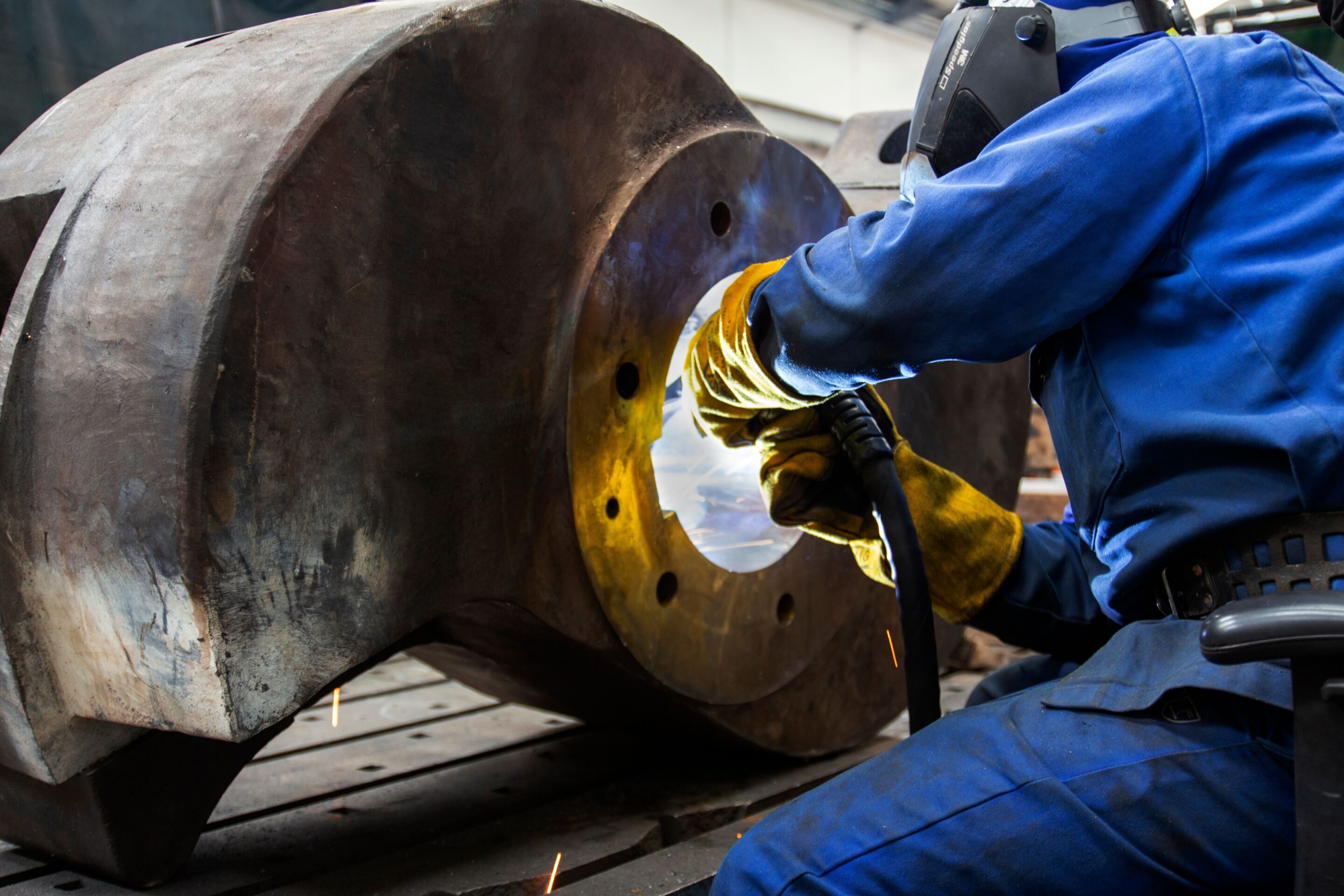
Separate scorecards maintain fairness across departments with different exposure levels and job functions. Welding operations face different risks than packaging departments, so recognition criteria should reflect those differences. A welder might earn recognition for completing hot work permits correctly, while packaging workers focus on proper lifting techniques. This approach adapts programs to different risk levels while maintaining consistent recognition principles.
Are non-monetary rewards effective in manufacturing?
Timely, public, meaningful recognition proves highly effective, particularly when combined with tangible rewards for accumulated achievements. Immediate verbal recognition for proper lockout-tagout procedure, paired with points redemption for a gift of choice for sustained participation, creates both short-term reinforcement and long-term motivation. The combination of visibility and tangible rewards drives engagement across diverse manufacturing workforces.
Can these programs scale across multiple facilities?
Standardized frameworks with local customization allow programs to scale while maintaining consistency, flexibility, and centralized visibility. Centralized platforms provide tracking across locations while giving site leaders flexibility to address location-specific hazards, shift patterns, and team preferences. This structure ensures fairness and comparability across facilities while respecting operational differences.
Partner With All Star Incentives to Reduce Incidents
All Star Incentives brings over 50 years of experience helping manufacturers design, launch, and optimize safety rewards programs built for plant realities. As a manufacturing-focused partner, we understand production demands, shift work challenges, and the operational pressures that make safety both critical and complex.
From strategy and technology to rewards and fulfillment, All Star Incentives delivers everything needed to launch and sustain successful engagement programs.

Technology
Award-winning engagement platform

Strategy
Experienced incentive professionals

Communications
Custom campaigns and participant engagement

Rewards
Extensive reward sourcing capabilities

Fulfillment
Warehousing, kitting, and distribution

Support
Dedicated account management

Industry
Experience

One Partner. Every Piece.
Want to learn more?
Get a Free Demo
Put proven results-based reward and recognition strategies to work for you!
